Forbes Ranked the Jobs AI Can't Touch. #1 Pays $195K a Year.
52% of Workers Are Scared of the Same Thing
2026 Pew Research data: 52% of workers are worried AI will affect their jobs.
That’s up 8 percentage points from 2024. The anxiety is spreading.
But anxiety isn’t useful by itself. Which jobs can AI actually take? Which ones can’t it? “Feeling like it” isn’t good enough—someone needs to actually do the math.
Forbes did.
800 Careers, Filtered One by One
Forbes partnered with Resume Now to publish the 2026 AI Resistant Careers Index.
The methodology isn’t complicated, but it’s solid:
- Data sources: The Bureau of Labor Statistics ONET database + Stanford HAI’s latest assessments of AI capability boundaries
- Evaluation dimensions: Not just “can this task be automated?” — they added social trust and accountability as weighted factors
What does that mean? An example:
In theory, AI can help calculate anesthesia dosages. But would you let an AI be fully responsible for your anesthesia on the operating table?
For most people, the answer is: no.
That gut feeling — “I’m not comfortable putting my life in a machine’s hands” — is what they’re measuring as “social trust.” It directly boosts the AI resistance scores for medical careers.
This is the smartest part of the report: it doesn’t just calculate technical feasibility, it calculates human psychology. There’s a massive gap between “AI can technically do this” and “society is willing to accept that.”
#1: Nurse Anesthetist
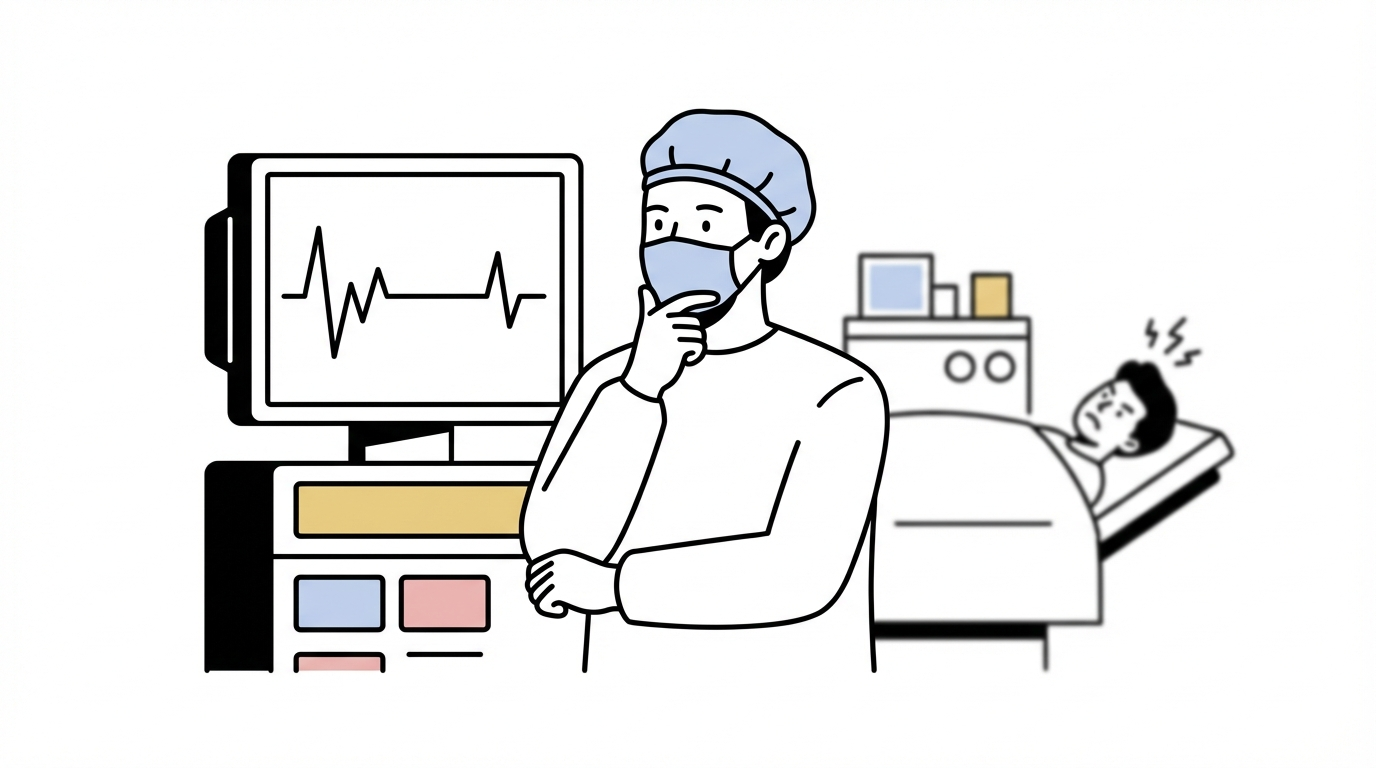
AI Resistance Score: 93.3% Average Annual Salary: $195,263
Why this one?
Because nurse anesthetists work in an environment that’s practically a collection of everything AI is worst at:
- High-pressure instant decision-making: Patient crashes on the operating table, you need to respond in seconds. Not “let me think about it.” Decide now.
- Unstructured environment: Every patient is different, every surgery is different, emergencies are unpredictable. No template to follow.
- Life-and-death accountability: If something goes wrong, who’s responsible? AI has no legal personhood. Only humans can sit in that chair.
Close behind: surgeons, dentists, pilots, fire chiefs.
See the pattern? The higher the stakes, the more AI stays out of the way.
What This List Doesn’t Tell You
Honestly, my first reaction wasn’t “great, nurse anesthetists are safe.”
It was: what about all the jobs that aren’t on this list?
Copywriters, designers, translators, customer service reps, data entry clerks, junior developers—these aren’t in the top 20. Not because AI “might” affect them. Because AI already is.
So I think the biggest value of this list isn’t “here’s what’s safe.” It’s telling you:
What AI can’t take isn’t a specific job. It’s a specific kind of ability.
Pull out the common thread running through the top 20 and you get three things:
1. Real-Time Judgment Under Pressure
AI can analyze a hundred thousand X-rays. But it cannot—when a patient suddenly starts hemorrhaging on the operating table—make the call on what to do next in three seconds.
Deciding under high pressure, high risk, and incomplete information is AI’s biggest weakness right now.
This isn’t just medicine. A pilot making emergency maneuvers through a thunderstorm. A fire chief deciding which building to evacuate first. Same skill. AI can advise. Only humans can decide.
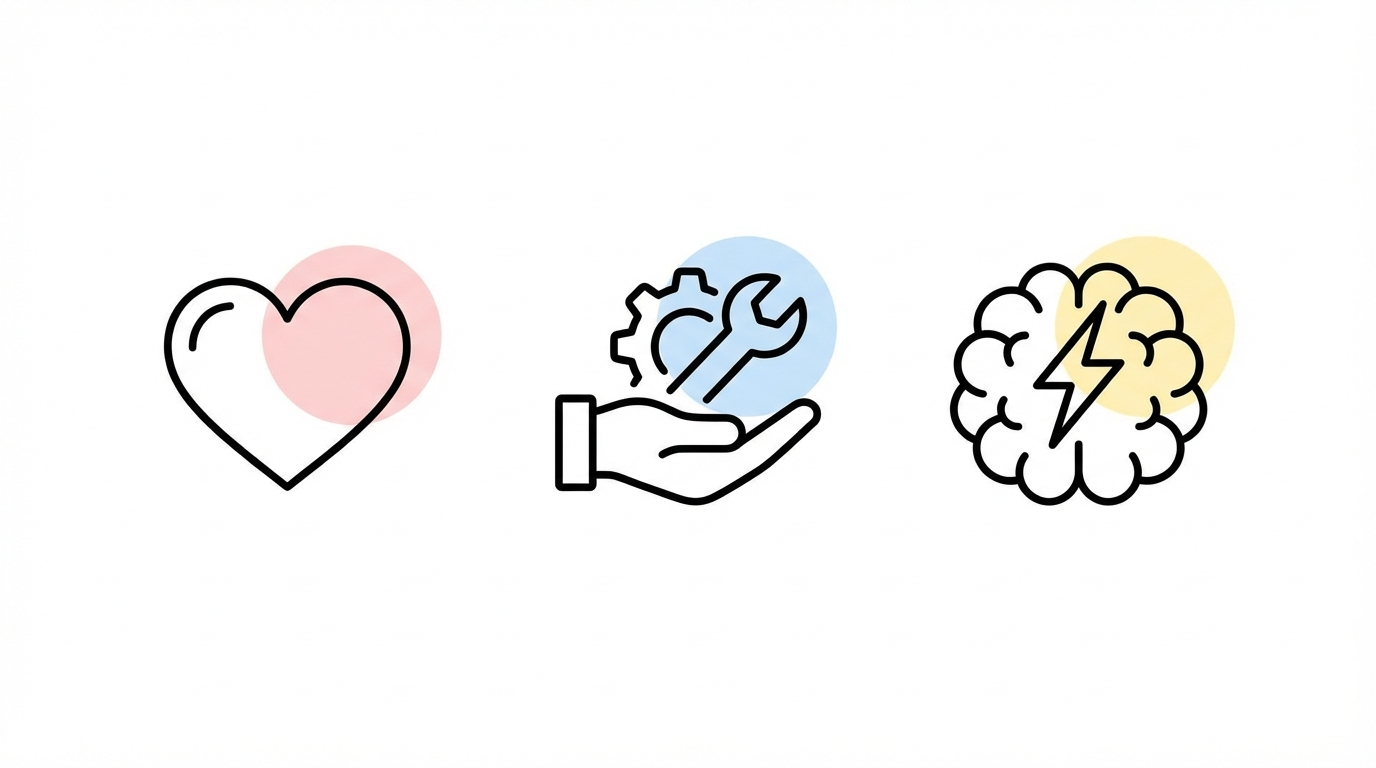
2. Complex Physical Work
AI plays chess. It doesn’t suture wounds. Robotic surgery exists, yes—but it’s “human operating a robot,” not “robot operating itself.”
A dentist working in the cramped space of someone’s mouth. A plumber tracing paths through tangled pipes. A massage therapist adjusting pressure based on your real-time reactions. All of these require fine motor control + real-time haptic feedback + constant adaptation.
Jobs that need skilled hands remain out of reach for AI in the near term.
3. Deep Human Connection
A good therapist’s core skill isn’t knowing the DSM-5 — AI knows that too. The core skill is: you feel the other person’s pain, and they feel that you feel it.
That’s called empathy. Not simulated empathy. Real, warm, human connection.
AI can say the words “I understand how you feel.” But between saying those words and actually understanding, there’s a whole species gap.
Social workers, early childhood educators, end-of-life care nurses — the core of these jobs isn’t “knowing things.” It’s “making someone feel something.” And that’s AI’s hardest wall to cross.
A China-Specific Take
This index is based on American data. My own observations for China:
- Traditional Chinese Medicine practitioners — the integrated judgment of observation, listening, questioning, and feeling the pulse; individualized treatments for each patient; deep cultural trust
- Postpartum care nurses (月嫂, yuèsǎo) — 24-hour hands-on care, emotional support, handling emergencies in real-time
- Electricians and plumbers — every home’s wiring is different, every client’s needs are different, the on-site environment is always changing
Interesting pattern: these jobs weren’t considered “prestigious” before. In the AI age, they’ve become the hardest to replace.
We used to say “knowledge is power.” In the AI era, knowledge got cheap — because AI knows more than you. What became truly scarce: judgment, craft, and the trust between people.
What to Actually Do With This
If you’re a copywriter, designer, or translator — don’t panic, but don’t pretend you don’t see what’s happening.
AI won’t replace you overnight. But it will gradually change the rules of the game. People who just “execute” will get more precarious. People who can “judge, create, and build trust” will get more valuable.
One counterintuitive data point: the Forbes methodology weighted “Adaptability” and “Stress Tolerance” highest—not education, not technical skills. The most important factor was can you stay calm and adjust quickly in chaos?
That gives me a different lens:
Instead of worrying “will my career be replaced,” train the ability to make decisions in uncertainty. That skill doesn’t care what industry you’re in. And the stronger AI gets, the more valuable it becomes.
Deeper logic: when AI makes “knowing things” cheap, “doing things” and “feeling things” become the new scarce resources.
From this angle, the Forbes list is pointing at a trend—the most valuable people in the future won’t be those with the most knowledge. They’ll be those who can stay calm in chaos, create value with their hands, and make others feel something.
These three things are exactly what decades of formal education have most neglected. We spent years learning knowledge, memorizing formulas, getting certified — things AI can replicate in seconds.
The real irony of the AI era: the skills we spent the most time developing are exactly what AI replaces most easily. The “soft skills” we most ignored turn out to be the hardest walls.
The right way to read this list isn’t “should I become a nurse anesthetist?”
It’s asking yourself: In my current work, how much of it is something AI can’t do? Can I get better at that part?
Don’t run to where AI can’t reach. Stand higher than AI where it can reach — that’s real job security in 2026.
Thanks for reading.