ByteDance Just Open-Sourced a 'Super Agent' — 35,000 GitHub Stars Overnight
GitHub Exploded Overnight
In March 2026, ByteDance quietly open-sourced a project on GitHub — DeerFlow 2.0.
No press conference. No PR push. Not even a trending hashtag.
But the developer community lost its collective mind.
35,000 stars. 4,319 new ones per day. Straight to #1 on GitHub’s global trending chart.
For context, when Meta released llama.cpp — the open-source alternative to ChatGPT — it took weeks to hit those numbers. DeerFlow did it practically overnight.
So what is this thing?
DeerFlow in One Sentence
Full name: Deep Exploration and Efficient Research Flow.
Sounds academic. But what it actually does is pretty straightforward:
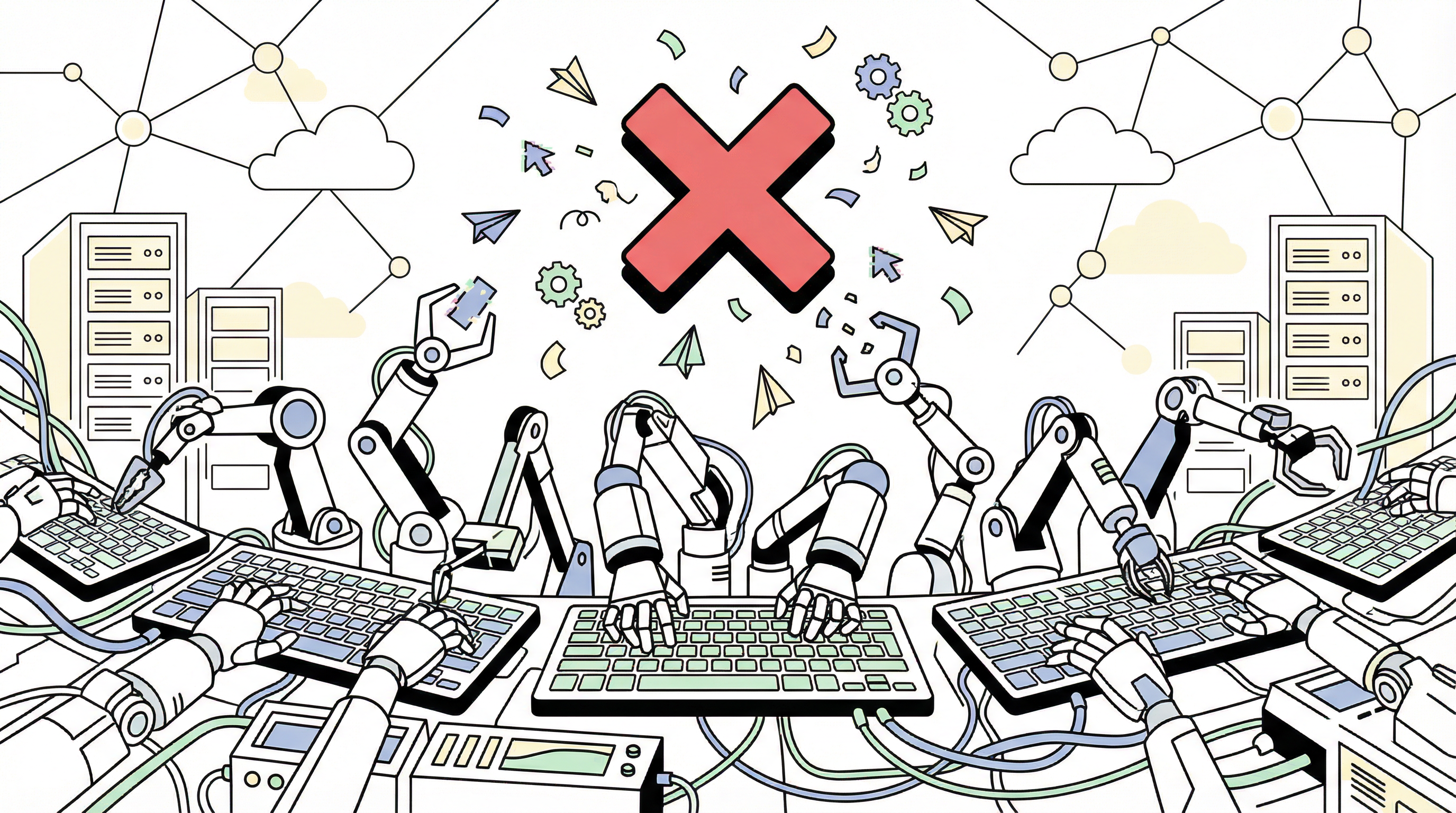
It lets multiple AIs work together like a team.
You might be thinking: so what, you just connect a few AIs together? Big deal?
The “big deal” is in how they connect.
Have you ever tried juggling three separate ChatGPT conversations — manually copying the output from one into the input of another, then consolidating everything in a third window? It’s exhausting. And the moment the context breaks, everything falls apart.
DeerFlow automates that entire process — and does it elegantly.
Think of it as an “AI project manager.” It takes a complex task, breaks it into subtasks, assigns them to different “AI workers,” monitors their progress, checks the results, and delivers the final output.
Here’s an example: you say, “Research the 2026 electric vehicle market trends and write me a 3,000-word report.”
DeerFlow will:
- Send one AI to search for the latest data and news
- Send another AI to analyze the data and extract key trends
- Send a third AI to compile the analysis into a polished report
- Do a final quality check itself
You don’t need to manually manage each step. You give one instruction, and it handles the breakdown, delegation, execution, and delivery.
Why Is It Blowing Up? (The Technical Bit, in Plain English)
DeerFlow 2.0 is built on LangGraph — a framework from the LangChain team designed for multi-AI collaboration using a “graph” structure.
What does “graph-based collaboration” mean?
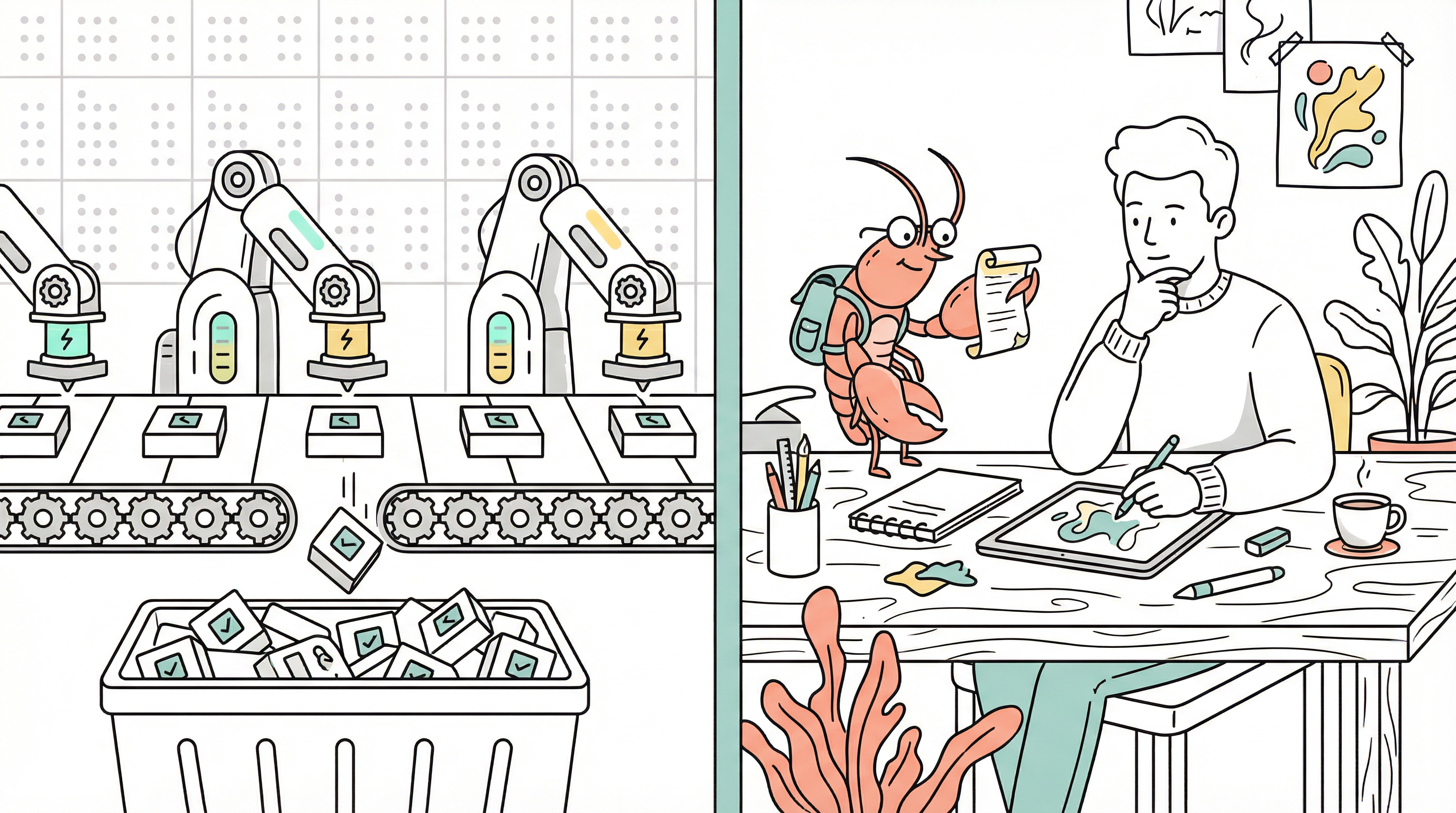
Traditional AI tool chains are linear: Step 1 → Step 2 → Step 3 → Done. Like an assembly line.
LangGraph collaboration is networked: AIs can communicate with each other, cross-check work, and dynamically adjust. Like an actual team.
On top of that foundation, DeerFlow 2.0 adds several killer features:
🔒 Sandbox Environment When AIs write code or run scripts, everything executes in an isolated safe zone. It won’t crash your computer or accidentally delete your files.
🧠 Persistent Memory It remembers your preferences, past conversations, and accumulated knowledge. It doesn’t start from scratch every time — it gets smarter the more you use it.
🔌 Extensible Tool Integration Search engines, code runners, file managers, web scrapers… plug in whatever tools you need.
🤖 Swap Models Freely Not locked to any single AI model. You can use Claude, GPT, Gemini, DeepSeek — anything compatible with the OpenAI API format.
Where Does It Fit Compared to What You Already Know?
You might be wondering: how is this different from ChatGPT or Claude?
In simple terms —
ChatGPT/Claude: One very smart person. You ask questions, they answer.
DeerFlow: A project manager plus a whole team. You set a big goal, and it organizes people to get it done.
Another way to look at it:
| Tool | Analogy | Best For |
|---|---|---|
| ChatGPT/Claude | Asking a smart friend for help | Q&A, writing, simple tasks |
| Cursor/Copilot | Pair programming with a developer | Writing code |
| DeerFlow 2.0 | Hiring a project team | Complex multi-step tasks |
It’s not trying to replace ChatGPT. It adds a layer of “coordination and management” on top of what ChatGPT already does.
Can Regular People Use It?
Honestly? Not really. Not yet.
DeerFlow 2.0 is a developer framework, not a consumer product. You need some basic command-line skills and environment setup to get it running. It’s not like ChatGPT where you just open a webpage and start typing.
The good news: DeerFlow comes with a Web UI, so if someone helps you set up the environment, the actual interface is fairly intuitive. And the community is already creating simplified installation guides — you can find them on developer forums like V2EX and Juejin.
But that doesn’t mean it’s irrelevant to you.
Why? Because DeerFlow represents the next direction in AI — from single AI to multi-agent collaboration.
Every AI you use right now — ChatGPT, Claude, Doubao (豆包), Kimi — is essentially “one AI doing the work.”
DeerFlow’s approach is: “Why not have a bunch of AIs working together?”
Once this direction matures, every AI product you use — search engines, office software, phone assistants — could have multiple AIs collaborating under the hood. You’ll just see a single, unified interface.
Actually, you’re already using a primitive version of multi-agent collaboration without knowing it.
When you use Perplexity to search a complex question, behind the scenes: one AI understands your query, another searches the web, another reads the search results, and a final one synthesizes everything into an answer. It’s all packaged up so you just see a search box.
What DeerFlow does is turn that kind of “packaged multi-agent collaboration” into an open framework that any developer can use to build their own multi-agent applications.
Why Is ByteDance Open-Sourcing This?
Let’s talk strategy.
ByteDance isn’t doing this out of charity.
The benefits of open-sourcing are clear:
- Claiming ecosystem territory: Get developers building on your framework, and you become the “infrastructure” of the AI agent space
- Free labor: The open-source community finds bugs, requests features, and optimizes for you — 35,000 stars means 35,000 potential contributors
- Feeding back to their own products: DeerFlow’s tech will almost certainly show up in Douyin (TikTok China), Feishu (Lark), and Doubao
The domestic AI agent space in China is already fiercely competitive — Baidu, Alibaba, and Tencent are all building similar things. ByteDance’s “open-source first move” is all about speed.
Build the ecosystem first, monetize later. ByteDance played this exact playbook in the short-video era.
There’s an even deeper play: open source is the best talent filter.
Among the people using your framework, the most active contributors are probably the best developers in the field. ByteDance can find them through the open-source community, attract them, and eventually hire them.
35,000 GitHub stars is like 35,000 résumé submissions. Except instead of résumés, people are submitting proof of their actual coding ability.
So far, no other Chinese tech company has generated this level of response in the international developer community. ByteDance played this one well.
Final Thoughts
The explosion of DeerFlow 2.0 tells us one thing:
The next frontier of AI isn’t bigger models — it’s smarter collaboration.
A single AI, no matter how powerful, has limits. But a group of AIs working together, cross-checking each other, each handling what they’re best at — that can accomplish far more than any lone “super brain.”
This is why I keep saying: learning to use AI isn’t just about learning a tool. It’s about learning to manage a team.
Future competitiveness might not be about “can you use ChatGPT” but “can you get five AIs working for you simultaneously.”
For regular people, you don’t need to rush out and learn DeerFlow right now. But there’s one mindset shift worth making early:
From “AI is a smart assistant” to “AI is a team I can manage.”
Once you’re comfortable using one AI for Q&A and writing, the next step is learning to assign different AIs to different roles — one researches, one drafts, one reviews. No technical skills required. You just need to learn how to “break down tasks” and “assign roles.”
DeerFlow engineered that process. But the mindset itself? You can start practicing it right now.
The next frontier of AI isn’t bigger models — it’s smarter collaboration. DeerFlow taught AIs to think and work like a team.
Thanks for reading.