The Biggest Irony Since Steve Jobs Left: Apple Now Needs Google
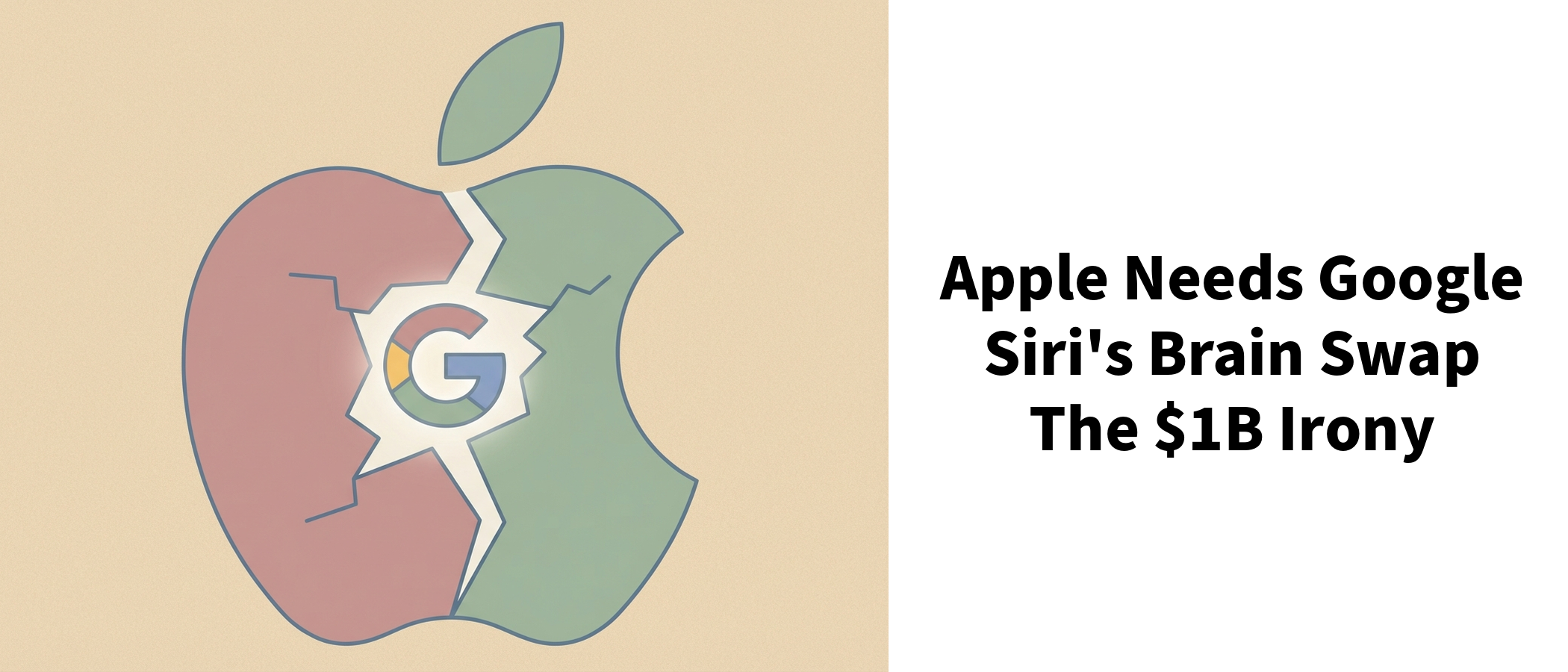
If you had told me in 2018 that Apple would pay Google a billion dollars a year to power Siri with AI, I would have laughed in your face.
No way. Apple is the proudest company in tech. They make their own chips, write their own operating systems, design every single screw themselves. Their most iconic slogan is “Think Different” — the kind of energy that says “we are nothing like anyone else.”
And yet, in January 2026, Apple and Google jointly announced: the AI core of Apple’s next-generation Siri will be powered by Google Gemini.
What you see is still called Siri. You still say “Hey Siri.” But behind the curtain? That’s Google’s brain.
In the history of AI, this might be one of the most surreal plot twists ever.
But honestly, you could see it coming. While every other tech giant was racing to lead the AI wave — while models were leapfrogging each other on every benchmark, while even Google came from behind to surge ahead and leave everyone in the dust — Apple, APPLE, was doing… what exactly?
Everyone’s been saying it: they can’t even get Siri right. In the age of AI, the slowest mover with the least innovation turned out to be Apple. Sometimes I wonder — if Steve Jobs knew about this, would he pass out from sheer rage?
Let’s Rewind and Lay Out the Facts
On January 12, 2026, Apple and Google issued a joint statement announcing a “multi-year strategic partnership.”
Here’s the deal: Apple is handing over Siri’s core AI capabilities to be rebuilt by Google Gemini. Not as a helper feature, not as a minor integration — this is a full swap of the underlying model powering core functions. Gemini 2.5 Pro will take over Siri’s information summarization, task planning, and multi-step complex commands — basically all the stuff Apple kept promising Siri would do but never actually delivered on.
The catch? Users won’t see any trace of Google on their end. No Google logo, no Google sign-in, the interface is still pure Apple. This is what’s called white-label — Google provides the tech, Apple slaps its own brand on top and sells it.
And the money, of course, is worked out cleanly: Apple pays Google roughly $1 billion per year in licensing fees.
The day the deal was announced, Alphabet’s (Google’s parent company) stock surged, pushing its market cap past $4 trillion and overtaking Apple to become the third-largest company by market cap — the first time since 2019 that Google’s market cap surpassed Apple’s on the same trading day.
So, to sum up: Apple’s own AI isn’t good enough, they’re borrowing their competitor’s AI, putting their own label on it, and paying said competitor $1 billion a year for the privilege.
Steve, oh Steve… if you could see this…
And then I thought back to when Siri first debuted.
Siri’s Glory Days
In 2011, Apple launched the iPhone 4S. The star of the show wasn’t the hardware — it was Siri.
Back then, there were no large language models, no ChatGPT, no Gemini. Apple called Siri a “revolutionary voice assistant,” and the demo video from the launch event went viral worldwide — you talk to your phone, and it understands you, responds to you, books restaurants, checks the weather, sends texts.
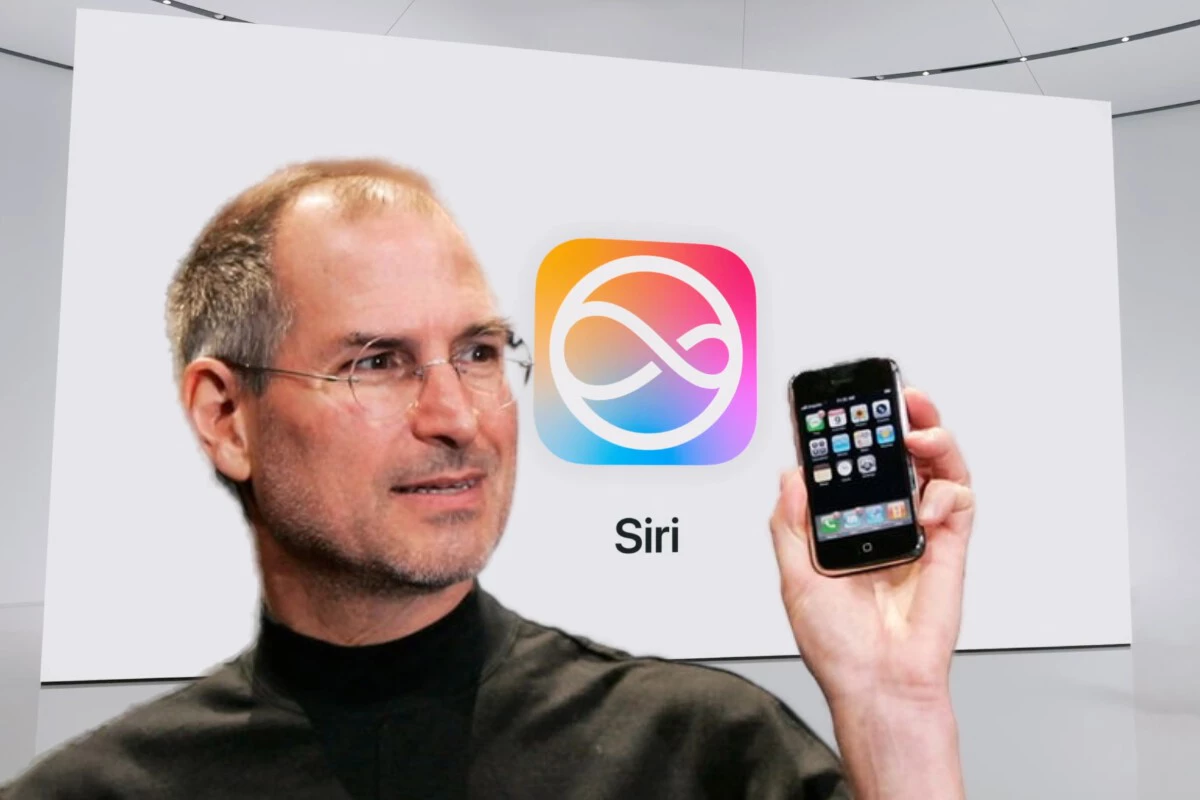 That year, Apple was the undisputed leader of the entire tech industry. Siri represented Apple’s technological ambition and pointed to a direction: AI assistants would be the gateway to the next era.
Google Assistant? Didn’t launch until 2016 — a full five years after Siri.
Then the era of large language models arrived.
The moment ChatGPT dropped, everyone realized the fundamental logic of “voice assistants” had been rewritten. It’s not about whether you can understand human speech — it’s about whether you can truly comprehend, reason, and generate. That’s the real test of an intelligent assistant.
Apple’s performance on this track? Let’s just say “falling behind” is being generous. Siri’s reputation over the past few years goes something like this: simple questions work sometimes, anything slightly complex gets you “Sorry, I can’t handle that request,” and occasionally it hits you with the classic “I found some results on the web for you…”
Oh, and one of the funniest things I’ve seen recently — a YouTuber made Siri and Gemini have a conversation. After a brief introduction, Gemini cheerfully said hi to Siri. Siri listened, then replied: “Sorry, I don’t understand what you’re saying.”
In the AI arms race of 2024-2025, that’s basically driving in reverse.
What Actually Went Wrong at Apple
Look, Apple isn’t stupid and they weren’t slacking off.
In 2024, Apple launched Apple Intelligence, claiming it would redefine mobile AI. But anyone who actually tried it knows — that batch of features, the writing polish, image generation, Siri’s conversation ability — compared to OpenAI and Google’s offerings at the time, the gap was obvious.
Apple’s strategy was: use self-developed small models for on-device fast response, and route complex tasks through Private Cloud Compute. The problem? Their self-developed cloud models simply couldn’t compete with Gemini or the GPT-4 family.
Apple’s cloud-based Apple Intelligence runs at roughly 150 billion parameters. The Gemini 2.5 Pro they just brought in? 1.2 trillion parameters — nearly an order of magnitude difference.
And this isn’t about effort. Training a massive model requires astronomical amounts of data, compute power, and time. Google DeepMind spent years and burned through who-knows-how-much money just on the Gemini series alone. Apple’s hardware and OS expertise is unquestionable, but on large language models, they started several critical years behind OpenAI and Google.
There’s another Achilles’ heel: Apple’s privacy stance.
Apple is the loudest voice in all of tech when it comes to privacy protection. It’s their core selling point — and their shackle. Training large models requires massive amounts of user data, but Apple’s privacy commitments prevent them from harvesting and using behavioral data at the scale Google does. Google has Gmail, Google Search, YouTube — the volume of data generated daily is on a scale Apple simply can’t match.
Apple chose privacy over AI capability. The result? AI capability limps along.
The current solution: bring in reinforcements, but keep the data siloed. Gemini runs on Apple’s Private Cloud Compute, and Google supposedly can’t access user data. On paper, privacy is preserved. But the technological foundation is no longer Apple’s own.
Wait — This Isn’t Even the First Time
Here’s the even more interesting part: this isn’t Apple’s first time calling for backup.
In 2024, Apple had already partnered with OpenAI to integrate ChatGPT into iOS. When Siri hit a question beyond its abilities, it could hand off to ChatGPT. Apple designed the feature to require explicit user authorization — again, all in the name of maintaining the “privacy first” persona.
So now Siri has two outside reinforcements under the hood: OpenAI and Google Gemini.
Apple’s strategy is crystal clear: if we can’t build the AI capability ourselves, we buy someone else’s — but never let users know.
The closed ecosystem, the obsessive control over details, the brand consistency — all the things Apple does best, they’ve kept intact. It’s just that the engine inside isn’t theirs anymore.
Ever get this feeling? Like you bought a bottle of fancy artisanal sauce, then checked the fine print and discovered it’s OEM-manufactured, with ingredients sourced from the company you thought was their competitor.
Yeah…
What This Means for Regular People
Alright, irony aside, let’s get practical. What does this actually mean for people who use iPhones?
First: Siri will get better — possibly a lot better.
Gemini 2.5 Pro is one of the top large language models in the industry right now, operating on a completely different level from current Siri. Tasks like “summarize the three key points in this email” or “plan my schedule tomorrow and fit these meetings in” — anything requiring comprehension and reasoning — should improve dramatically.
Second: It’ll still look and feel like Siri. No dramatic changes on your end.
Apple isn’t going to push an update one morning that renames Siri to “Gemini,” and no Google branding will ever appear on your phone’s interface. The whole point of this partnership is to make it seamless — to make you think Apple figured it all out on their own.
Third: Take the data isolation claims with however many grains of salt you see fit.
Apple says Gemini runs on their Private Cloud Compute and Google can’t access your request data. In theory, that checks out. In practice… privacy in the tech world always has gray areas. Your trust in Apple now extends, to some degree, to the technical isolation agreement between Apple and Google. The risk exists; it’s just hard to quantify.
Fourth: If you’re on Android, this doesn’t really affect you.
Sit back, enjoy the show, and maybe celebrate that Google keeps getting more valuable.
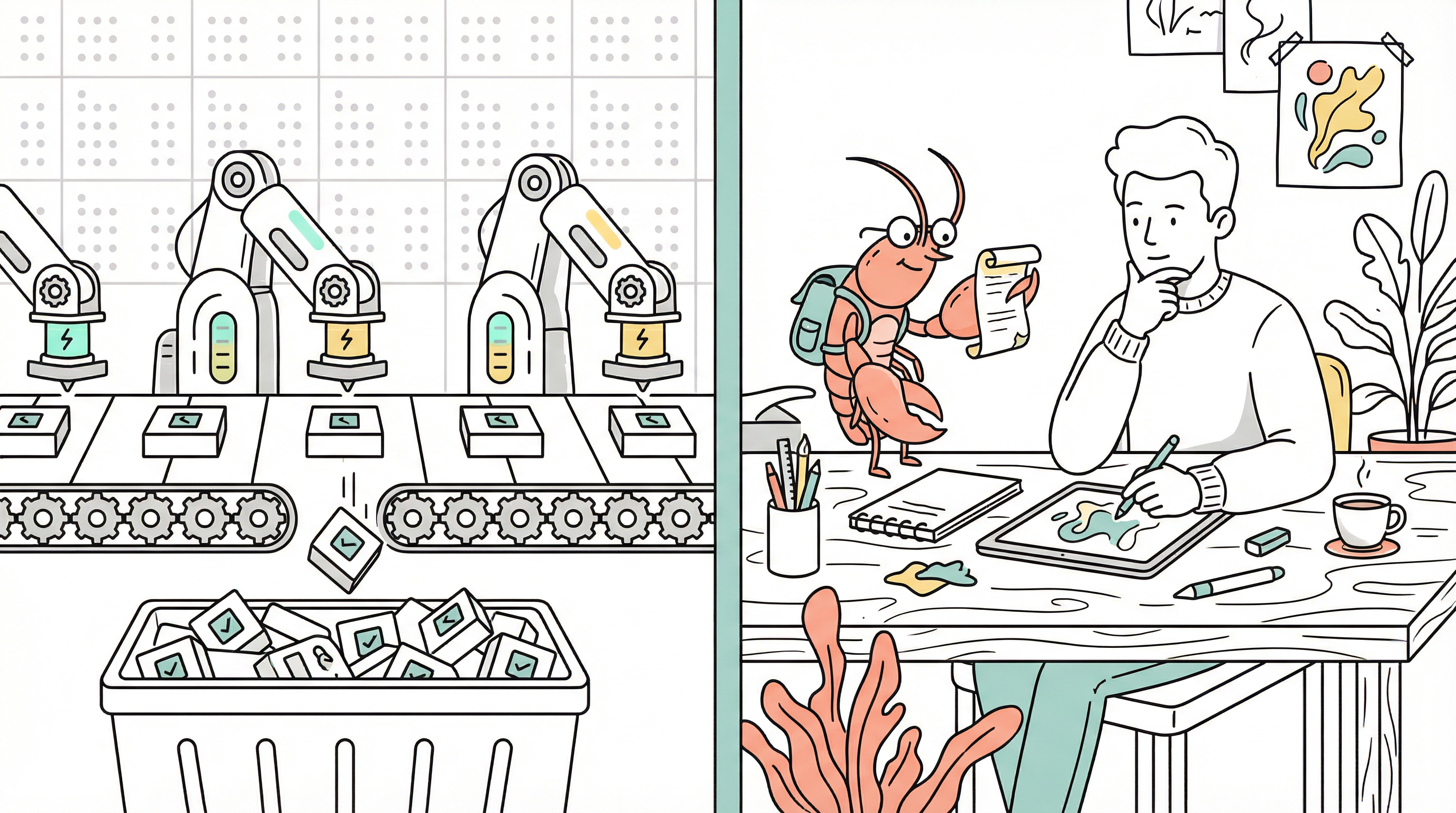
The Bigger Signal
I know what some people will say: “So what? It’s just a business deal. Big companies do this all the time.”
Sure, from a pure business perspective, that’s fair.
But what I think is worth talking about is the metaphor behind this.
Apple built its entire mythology on Think Different — we’re independent, we’re self-sufficient, we’re not like anyone else. That narrative has sustained Apple’s premium pricing for decades.
Now there’s a crack in that narrative.
It’s not that Apple is failing or that Apple has stopped innovating. It’s that AI is so hard — so monumentally, absurdly hard — that even Apple, the company that built its identity on doing everything in-house, has to buy someone else’s foundation.
For the broader AI industry, this is a signal worth chewing on: the cost of training large models and the data moats protecting them have created a new form of technological monopoly. The number of companies capable of building top-tier large models? You can count them on one hand. Every other company — yes, even Apple — can only choose between those few.
This is the iron law of the AI era: compute power and data accumulation have become moats that are nearly impossible to replicate.
Apple’s choice this time is to acknowledge that moat exists — and then rent a tunnel through it.
That’s not shameful. You could even call it pragmatic.
But is there some irony? Of course there is.
Fifteen years ago, Siri debuted and Apple was the pioneer of the AI assistant concept. Fifteen years later, Siri’s brain belongs to Google.
That’s just how eras work — it doesn’t matter who thought of it first. It matters who made it work first.
Apple thought of it. Google made it work.
And then there’s Jensen Huang’s Nvidia — the chosen company, the chosen track, the chosen timing.
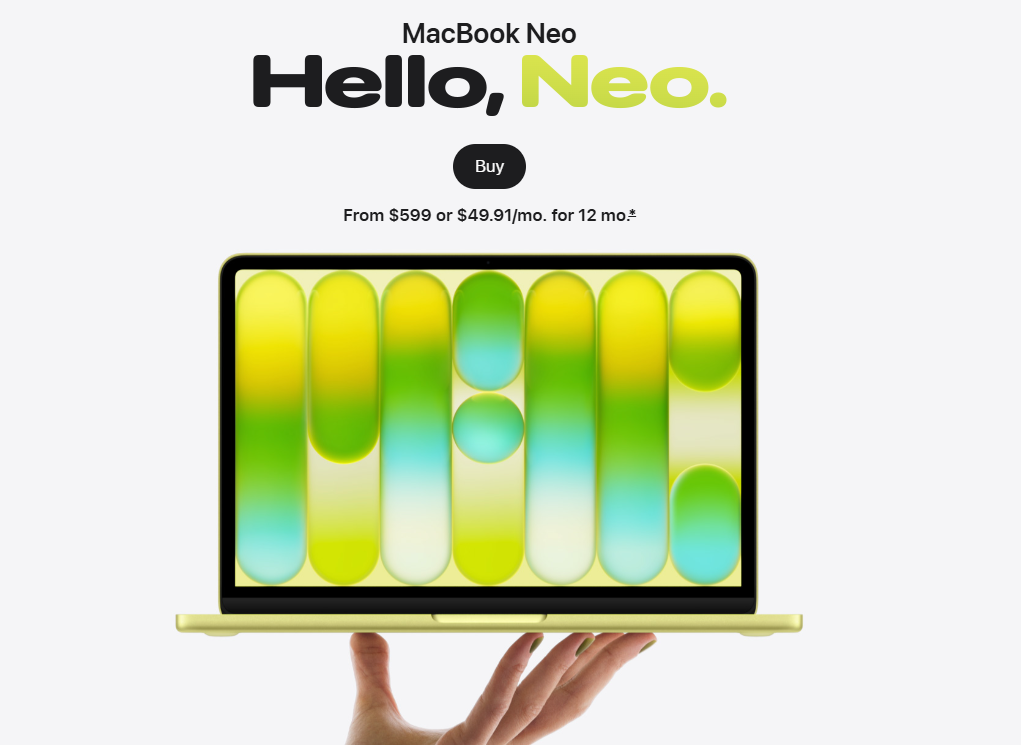
Though I will say — I personally think Apple still has a fantastic path forward. Take the recently launched MacBook Neo, for example. It’s decidedly an entry-level product, but because it can run AI locally, it’s an affordable and capable little machine that everyone’s flocking to. Isn’t that a viable path in itself?
(Steve Jobs: Oh, just shut up already.)
Being the first to think of something doesn’t mean you’ll be the one to make it work.
Thanks for reading.